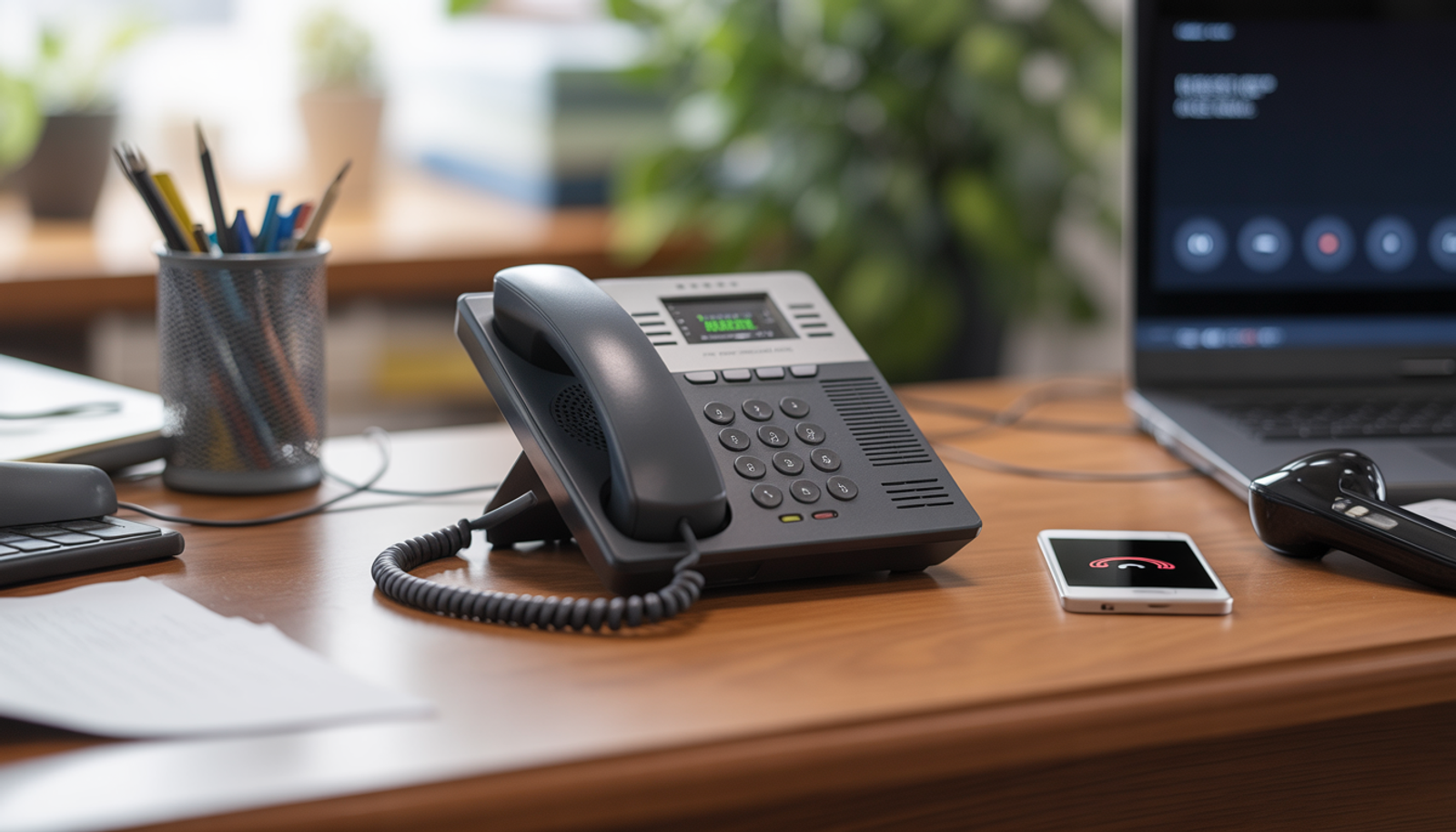
The average pest control company spends between $150 and $300 to acquire a single customer. That number comes from industry benchmarks compiled by PCO Bookkeepers and corroborated by multiple field service studies. For a typical residential account generating $500 in annual revenue, that means you’re spending 30 to 60 cents of every first-year dollar just to get the customer through the door.
Most operators respond to this by trying to lower their cost per lead. They test new ad platforms, negotiate with lead aggregators, and tweak landing pages. These are reasonable moves. But they miss the bigger leverage point: what happens after the lead calls. At Solea, we’ve seen this pattern across hundreds of pest control operations, and the data is unambiguous: the fastest way to cut your customer acquisition cost is not better marketing. It’s better operations.
A recent wage gap analysis from Authority.inc found that pest control technicians earn 27% less than competing trades, creating a recruitment crisis that forces PCO owners to run lean office teams. That same research showed that the most successful operators aren’t simply spending more on marketing. They’re converting a higher percentage of the leads they already generate by eliminating the operational bottlenecks that kill deals before they start.
The Voicemail Conversion Gap Is Wider Than You Think
Here’s the most expensive number in the pest control business that nobody tracks: the voicemail-to-booking conversion rate.
Research across service industries consistently shows that 80% of callers who reach voicemail hang up without leaving a message. Of the 20% who do leave a message, a large share never receive a timely callback. One cross-industry study found that only about 5% of voicemails result in any meaningful response. For pest control specifically, the math is brutal. If you’re running a seasonal operation and 40% of your inbound calls hit voicemail during peak hours, you’re effectively discarding a huge portion of your marketing spend before a human even touches the lead.
The voicemail versus live answer conversion gap is not a minor performance difference. Industry data suggests that the first company to respond to an inbound service request wins the job roughly 78% of the time. When a homeowner finds roaches in their kitchen or a wasp nest near their back door, they call two or three companies. The one that answers, qualifies the need, and books the appointment in that first interaction captures the revenue. The ones that send it to voicemail and call back three hours later are competing for the remaining 22%.
This is why pest control customer acquisition cost is so misleading as a standalone metric. You might be generating leads at $40 each, but if your office only converts 25% of them because the others went unanswered, your true customer acquisition cost is $160. The problem was never the leads. It was the phone. This is exactly why we built Solea with a 24/7 AI customer service rep that answers every call instantly, whether it comes in at 2pm on a Tuesday or 11pm on a Saturday. No voicemail. No missed leads. No revenue left on the table.
Pest Control Callback Rate Benchmarks: Where Most Operators Fall Short
On the service delivery side, the average callback rate (the percentage of jobs that require a return visit due to unresolved pest issues) sits at about 3% for well-run operations. WorkWave’s research pegs 6% as the upper threshold before it signals a systemic problem with treatment quality or technician training.
But there’s a second callback rate that matters just as much: how quickly and consistently your office returns missed calls from prospects. Studies on lead response time show that following up within five minutes can double your conversion rate compared to a 30-minute delay. By the time you hit the four-hour mark, which many pest control offices consider “same day,” the odds of converting that lead have collapsed.
A study by 411 Locals that monitored businesses across 58 industries found that companies only answered about 38% of all incoming calls. Another 38% went to voicemail, and 24% received no response at all. These are not outlier numbers. They represent a structural problem with how small and mid-sized service businesses handle inbound demand.
For PCOs specifically, peak-season call volume compounds this. June through October is when pest pressure is highest, customer urgency is greatest, and your office team is most overwhelmed. The calls that get missed during this window represent the highest-intent, highest-value leads your business will see all year. Solea’s AI handles unlimited simultaneous calls, so peak season doesn’t create a bottleneck. Whether you’re getting 40 calls a day or 140, every single one gets a live, intelligent response within seconds.
Office Efficiency Is the Real Acquisition Lever (And How Solea Fixes It)
The Authority.inc report highlights a strategic insight that applies directly here: most PCOs spend 15 to 25% of revenue on office staff managing scheduling, routing, invoicing, and customer communications. When those same staff are also responsible for answering every inbound call, the system breaks under load.
The math on pest control office efficiency tells a clear story. A single office administrator making $38,000 per year can handle roughly 40 to 60 calls per day before quality degrades. During peak season, many operations receive 80 to 120 calls daily. The overflow goes to voicemail. The voicemail doesn’t convert. The marketing spend that generated those calls evaporates.
This is the problem Solea was purpose-built to solve. We didn’t build a generic AI answering service and bolt it onto pest control. We built the only AI-native operating system designed from the ground up for this industry. Here’s what that means in practice:
Solea’s AI Customer Service Rep answers every inbound call with a human-sounding voice, 24 hours a day, 7 days a week. It doesn’t just take messages. It identifies the pest type based on the caller’s description, asks the right qualifying questions, checks your live calendar, and books the appointment on the spot. It knows the difference between a carpenter ant problem and a termite swarm, and it routes each to the right technician based on skill set and location.
Solea’s AI Sales Rep follows up with unconverted leads and upsells existing customers into recurring service plans. It works evenings, weekends, and holidays, converting demand at hours when no human team is available. This alone recovers revenue that most PCOs don’t even realize they’re losing.
Solea’s AI Scheduler builds and optimizes routes every day, adjusting in real time as jobs move, cancel, or get added. When a customer reschedules or a technician calls out, the schedule rebuilds itself automatically. Customers get appointment reminders and can confirm or reschedule by text, email, or phone, with Solea handling the changes instantly. This directly increases stops per technician per day, which is the single biggest lever for revenue per tech.
And Solea’s AI Coach reviews every call and message, scores performance, and gives actionable feedback so your human team continuously improves. It’s a built-in quality layer that traditional operations simply don’t have.
Beyond the AI agents, Solea is a complete all-in-one platform: CRM, marketing suite, sales pipeline, estimates and contracts, invoicing and payments, chemical tracking, compliance tools, and a mobile app for field technicians. Every piece talks to every other piece. No more stitching together five or six different tools and hoping the data syncs.
This is something I think about constantly. The challenge in pest control isn’t building smarter chatbots. It’s building systems that understand the operational context of each call and can navigate unexpected scenarios with real intelligence. A homeowner describing “tiny black ants in the kitchen” needs a different response than someone reporting “flying termites after rain.” The AI has to understand that difference, ask the right follow-up questions, match the right technician, and book it into a route that makes geographic sense, all in one interaction.
The feedback from operators has confirmed what the data already suggested. One CEO of a large pest control company told us he expected the AI to sound robotic and scripted. Instead, he said it felt like talking to a real person, someone capable of handling nuance and even putting anxious customers at ease. That’s the difference between a system that records messages and one that actually converts demand into booked revenue.
The numbers back this up. Solea customers see an average of $168,000 in annual payroll savings, a 12% revenue uplift from AI-driven operations, and a 2x increase in office capacity without adding headcount. For a PCO spending $250 per customer acquisition, converting even 10% more of existing inbound leads represents tens of thousands in recovered revenue annually, at zero incremental marketing cost.
A Simple Framework: Measure What Matters
If you want to understand your true pest control customer acquisition cost, track these four numbers monthly:
| Metric | What it tells you | Target |
|---|---|---|
| Live Answer Rate | % of inbound calls answered by a person or AI on first ring | 95%+ |
| Voicemail-to-Booking Rate | % of voicemails that convert to a scheduled job | Track and minimize |
| Lead Response Time | Minutes between missed call and first outbound contact | Under 5 minutes |
| True CAC | Total marketing + office cost divided by new customers booked | Below 50% of first-year customer value |
Most PCOs only track the last one, and they calculate it wrong because they exclude office overhead from the denominator. When you factor in the fully loaded cost of the team that answers, qualifies, and books your leads, the true acquisition cost is almost always higher than you think. Solea’s built-in reporting dashboard tracks all four of these metrics automatically, so you always know your real numbers, not the ones that make you feel good.
The Bottom Line
Pest control customer acquisition cost is not a marketing metric. It’s an operations metric. The companies that are growing fastest in this industry are not the ones spending the most on ads. They’re the ones that answer every call, book every qualified lead, and run their office at a level of efficiency that turns marketing dollars into revenue instead of voicemail.
If your phones go unanswered during peak hours, your voicemail is full of leads that never called back, or your office staff is stretched so thin that response times are measured in hours instead of seconds, no amount of ad spend will solve the problem.
The fix is operational. And it starts with making sure every inbound opportunity gets a live, intelligent response the moment it arrives. That’s what Solea does, and it’s why the PCOs running on our platform are growing faster while spending less on both office overhead and customer acquisition.
References:
- Authority.inc, “PCO Talent Opportunity Report 2026,” February 2026 — Read the full report
- PCO Bookkeepers & M&A Specialists — Pest control marketing cost benchmarks
- WorkWave — Callback rate industry standards and production-per-technician benchmarks
- Bureau of Labor Statistics — Occupational Employment and Wage Statistics (OEWS), May 2023
- 411 Locals — cross-industry inbound call answer rate study — Referenced in Phonely business phone statistics
- Cube Creative Design — Pest control KPI benchmarks and lead generation analysisOccupational Employment and Wage Statistics (OEWS), May 2023
- 411 Locals — cross-industry inbound call answer rate study — Referenced in Phonely business phone statistics
- Cube Creative Design — Pest control KPI benchmarks and lead generation analysis
 Overnight